
You’re about to deposit real money at an online casino someone recommended. But how do you know the review site actually tested that casino, or just copied marketing material and slapped a five-star rating on it? Understanding casino review methodology helps you separate genuine testing from paid promotions disguised as honest reviews.
Trustworthy casino review sites follow a structured testing methodology that includes licensing verification, real money deposits and withdrawals, game library audits, bonus term analysis, and customer support testing. Sites that skip hands-on testing or hide their evaluation criteria often prioritize affiliate commissions over player protection. Knowing how reviews are created helps you identify which sites actually protect your interests versus those simply chasing referral fees.
What separates real testing from fake reviews
Most casino review sites fall into one of two categories. The first group creates accounts, deposits money, plays games, and withdraws winnings to verify everything works as advertised. The second group copies information from casino websites, rewrites marketing copy, and publishes reviews without ever playing a single hand.
The difference matters because online gambling involves real financial risk. A fake review might recommend a casino with predatory withdrawal terms or unresponsive support. You won’t discover these problems until you’re already trying to cash out your winnings.
Legitimate review sites document their testing process publicly. They explain exactly which criteria they evaluate and how they weight each factor. This transparency lets you judge whether their priorities match yours.
The core testing framework reliable reviewers follow
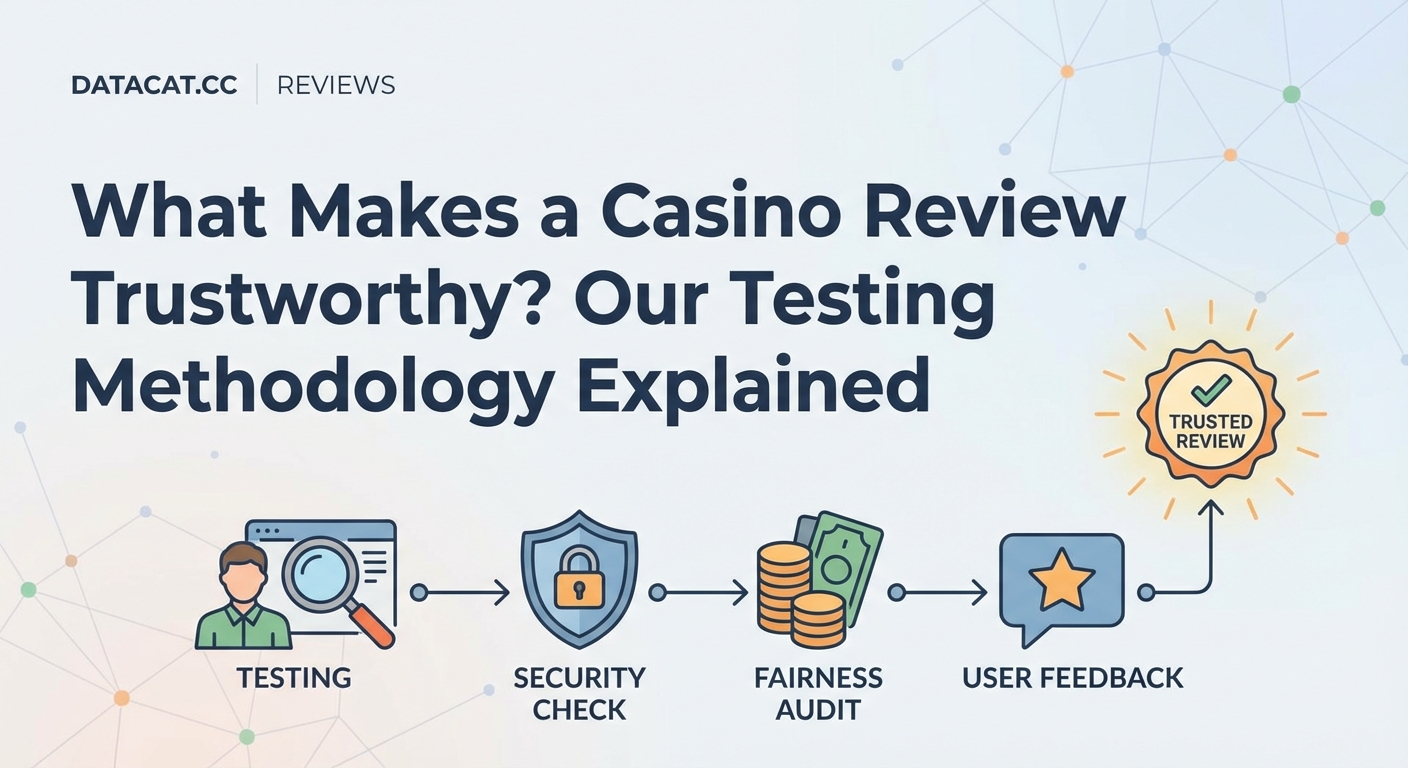
Professional casino reviewers use a systematic approach that covers every aspect of the player experience. Here’s the standard framework trusted sites implement.
1. Licensing and regulatory compliance verification
Every legitimate test starts with license verification. Reviewers check which jurisdiction issued the casino’s license and confirm it’s currently active. They also verify the license number matches regulatory databases.
Different licenses offer different levels of player protection. A Malta Gaming Authority license requires strict operational standards. A Curacao license provides less oversight. Reviewers document which authority oversees each casino so you understand the protection level.
Reviewers also check whether the casino displays responsible gambling tools, age verification processes, and clear terms of service. These elements indicate regulatory compliance beyond just holding a license.
2. Account creation and identity verification testing
Testers create real accounts using their own information. This reveals how smooth the registration process feels and whether the casino requests reasonable documentation.
They submit identity verification documents and track how long approval takes. Some casinos verify accounts within hours. Others take days or even weeks. This timeline directly affects when you can withdraw winnings.
Reviewers also test whether casinos allow multiple accounts or flag duplicate registrations. This reveals how seriously the platform takes fraud prevention.
3. Real money deposit testing across payment methods
Testing requires actual deposits. Reviewers fund accounts using multiple payment methods like credit cards, e-wallets, and bank transfers. They document processing times, fees, and minimum deposit amounts for each option.
They also test whether deposit bonuses apply correctly and whether the casino honors advertised promotions. A casino might advertise a 100% match bonus but apply it incorrectly or add hidden restrictions.
Payment method variety matters because players have different preferences. Someone might want instant deposits via e-wallet while another prefers cryptocurrency casinos for anonymity and security.
4. Game library evaluation and software provider audit
Reviewers catalog which game providers the casino features. Established providers like NetEnt, Pragmatic Play, and Evolution Gaming maintain high standards. Unknown providers might offer rigged or untested games.
They also test game variety across categories. A quality casino offers slots, table games, live dealer options, and specialty games. Limited selection suggests the casino prioritizes profits over player experience.
Game testing includes checking return to player percentages. Reputable casinos publish RTP data for each game. Hidden RTPs are a red flag because players can’t make informed decisions about which games offer the best odds.
5. Bonus terms analysis and wagering requirement testing
Bonuses look attractive until you read the fine print. Reviewers analyze every bonus term including wagering requirements, game restrictions, maximum bet limits, and expiration dates.
They calculate how realistic completing wagering requirements actually is. A 50x wagering requirement on a $100 bonus means you must wager $5,000 before withdrawing. Many players never complete these requirements.
Testers also identify restricted games. Casinos often exclude certain games from bonus play or count them at reduced percentages. A slot might count 100% toward requirements while blackjack counts only 10%.
Understanding these mechanics helps you maximize welcome bonuses without losing money to impossible terms.
6. Withdrawal processing and verification testing
This step separates legitimate casinos from problem operators. Reviewers request withdrawals and document every step of the process.
They track how long verification takes, whether the casino requests additional documents, and when funds actually arrive. Payment method affects timing significantly, as shown in detailed withdrawal speed comparisons.
Reviewers also test withdrawal limits. Some casinos cap withdrawals at $5,000 per month regardless of how much you win. Others process unlimited amounts. These limits dramatically affect high rollers and jackpot winners.
Problem casinos invent reasons to delay or deny withdrawals. Reviewers document these tactics so you can avoid operators with histories of payment problems.
7. Customer support quality and response testing
Support quality reveals how much a casino values players. Reviewers contact support through every available channel including live chat, email, and phone.
They ask both simple and complex questions. Simple questions test basic knowledge. Complex questions about bonus terms or technical issues reveal whether agents actually understand casino operations.
Response time matters enormously when you’re dealing with account issues or withdrawal problems. A casino with 24/7 live chat that responds in under two minutes provides better service than one with email-only support that takes three days to reply.
8. Mobile compatibility and app testing
Most players access casinos from phones and tablets. Reviewers test mobile browsers and dedicated apps on both iOS and Android devices.
They verify that games load properly, navigation works smoothly, and all desktop features remain accessible. Some casinos offer limited mobile game libraries or disable certain payment methods on mobile devices.
App testing includes checking download sources. Legitimate apps come from official app stores or verified casino websites. Apps from unknown sources might contain malware.
Common red flags in casino review methodology
Not every site follows rigorous testing standards. Watch for these warning signs that indicate unreliable reviews.
| Red Flag | What It Means | Why It Matters |
|---|---|---|
| No testing disclosure | Site doesn’t explain how they evaluate casinos | Likely copying information without verification |
| Perfect scores everywhere | Every casino receives 4.5 or 5 stars | Ratings aren’t based on actual performance differences |
| Identical review structures | Every review follows the exact same template | Mass-produced content without individual testing |
| No withdrawal testing mentioned | Reviews skip payment verification entirely | Most important test gets ignored |
| Affiliate disclosure buried or missing | Site hides financial relationships | Prioritizes commissions over honest recommendations |
| No negative reviews | Site never criticizes any casino | Fear of losing affiliate partnerships |
| Outdated information | Reviews reference old bonuses or closed casinos | Site isn’t actively maintaining content |
| No author credentials | Anonymous authors with no gambling expertise | Content created by marketers, not testers |
“A review site that won’t tell you how they test casinos is like a restaurant critic who never actually eats the food. The methodology matters as much as the final rating because it shows whether someone actually verified their claims or just repeated what they were told.”
How weighting and scoring systems work
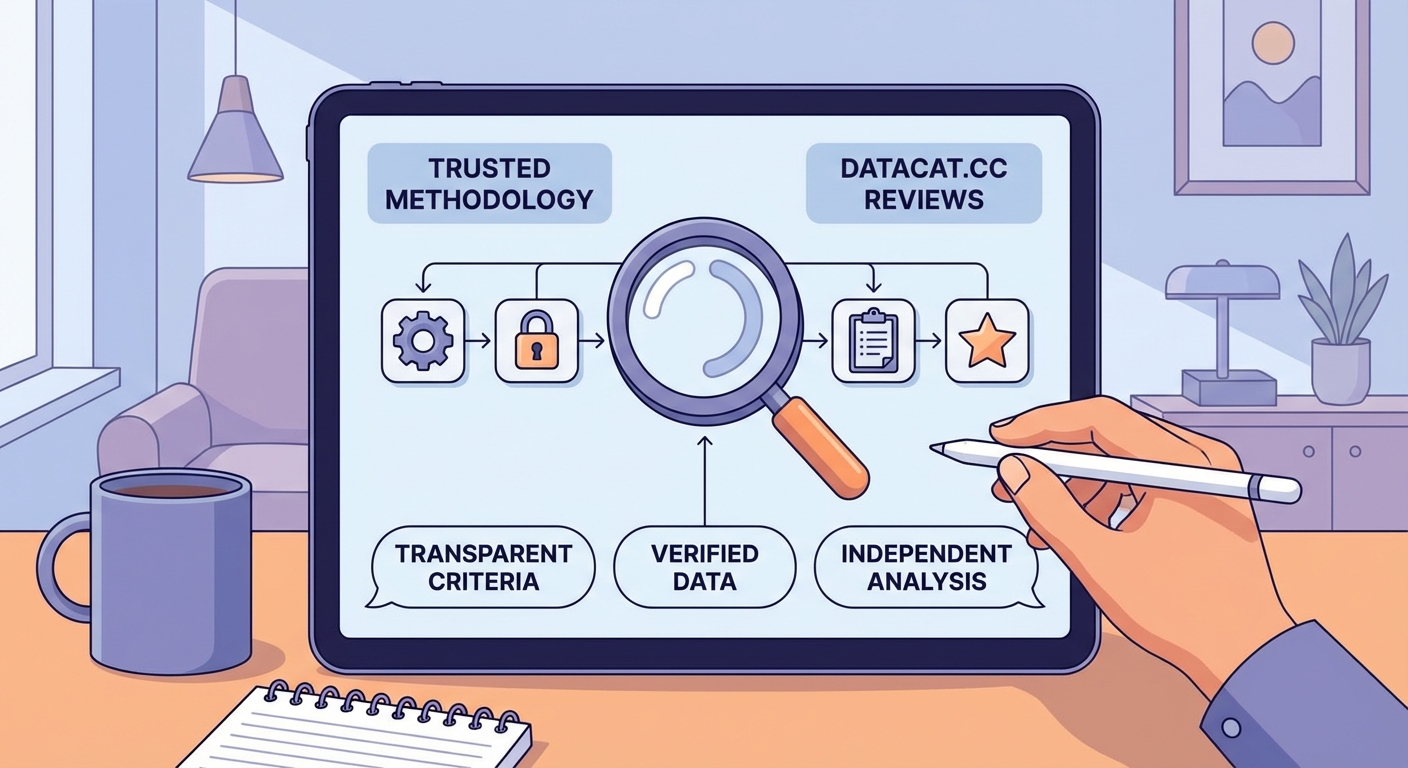
Different review sites prioritize different factors. Some weight game variety heavily. Others focus primarily on withdrawal speed and payment reliability.
Understanding the weighting system helps you judge whether a site’s priorities match yours. Here’s how most credible sites break down their scoring.
Common weighting approaches:
- Licensing and security: 25%
- Payment processing and withdrawal speed: 20%
- Game variety and software quality: 20%
- Bonus terms and promotional value: 15%
- Customer support quality: 10%
- Mobile experience: 10%
This weighting means licensing problems significantly impact the final score while mobile issues cause smaller deductions. A casino with a questionable license can’t score well even if everything else works perfectly.
Some reviewers use pass/fail criteria for certain factors. A casino without a valid license fails automatically regardless of other strengths. This approach protects players from fundamental safety issues.
Testing frequency and review updates
Casino conditions change constantly. A site might launch with excellent service then decline over time. Or a problematic casino might improve operations after ownership changes.
Reliable review sites revisit casinos periodically to verify information remains current. They update reviews when casinos modify bonus terms, add payment methods, or change software providers.
Update frequency varies by site. Some retest quarterly. Others check annually. The best sites note the last verification date on each review so you know how current the information is.
Sites that never update reviews gradually become unreliable. A review written in 2020 might reference bonuses that no longer exist or miss significant operational changes.
Why some review sites skip proper testing
Creating thorough reviews requires significant time and money. Testers must fund accounts, play games, and wait for withdrawals. This process can take weeks per casino.
Some sites skip testing because they prioritize quantity over quality. Publishing 500 superficial reviews generates more affiliate clicks than publishing 50 thoroughly tested reviews.
Others lack the expertise to conduct proper testing. They might not understand wagering requirements, RTP percentages, or regulatory differences between licensing jurisdictions.
Financial pressure also affects review quality. Sites dependent on affiliate income from specific casinos might soften criticism to maintain those relationships. This creates an inherent conflict between honest reviewing and revenue generation.
The most trustworthy sites address this conflict through editorial independence policies. They separate testing teams from business development and refuse to modify reviews based on affiliate considerations.
Questions to ask before trusting any casino review
Before relying on any review site, evaluate their methodology using these questions.
- Does the site explain exactly how they test casinos?
- Do reviewers create real accounts and deposit actual money?
- Does the site disclose affiliate relationships clearly?
- Can you identify who wrote the review and their qualifications?
- Does the site publish negative reviews and low ratings?
- When was the review last updated and verified?
- Does the methodology weight factors that matter to you?
- Are there detailed explanations supporting ratings or just numbers?
Sites that answer these questions transparently earn more trust than those hiding their process. You deserve to know whether recommendations come from genuine testing or financial incentives.
Checking for common red flags before signing up adds another layer of protection beyond just reading reviews.
Building your own evaluation checklist
Even with trustworthy reviews, you should conduct your own basic verification. Create a personal checklist covering your priorities.
Essential verification steps:
- Confirm the casino license is active in regulatory databases
- Read recent player reviews on independent forums
- Test customer support with a simple question before depositing
- Review withdrawal terms and maximum limits
- Check which games count toward bonus requirements
- Verify payment methods you prefer are actually available
- Read the full terms of service, not just the highlights
This personal verification takes 20 minutes but catches issues reviews might miss. Your priorities might differ from a reviewer’s weighting system.
Someone who plays primarily progressive jackpot slots needs different information than someone focused on live dealer blackjack. Reviews provide a starting point, but your own research ensures the casino fits your specific needs.
The role of player feedback in ongoing evaluation
Professional testing provides a snapshot of casino performance. Player feedback reveals long-term patterns and edge cases testers might miss.
Review sites that incorporate verified player feedback create more complete pictures. They track complaint patterns about slow withdrawals, changed terms, or declining game selection.
However, player reviews require careful interpretation. Some negative reviews come from players who didn’t understand bonus terms or violated casino rules. Others reflect legitimate problems.
Credible sites verify player complaints before incorporating them into ratings. They contact casinos for responses and update reviews based on resolution outcomes.
This ongoing monitoring catches problems that emerge after initial testing. A casino might pass all launch tests but develop withdrawal delays six months later as it struggles financially.
Why methodology transparency builds trust
Sites that openly share their casino review methodology demonstrate confidence in their process. They’re willing to let you judge whether their approach makes sense.
This transparency also creates accountability. When a site publishes specific testing criteria, you can verify whether individual reviews actually follow that methodology.
Hidden methodologies suggest the site either has no consistent process or uses criteria they’d rather not disclose. Neither scenario inspires confidence.
The best review sites treat methodology disclosure as a competitive advantage. They know informed players value thorough testing and will return to sites that prove they do the work.
Understanding how reviews are created transforms you from a passive reader into an informed evaluator. You can judge which sites deserve your trust and which ones are just chasing affiliate commissions.
Before you register at any online casino, take ten minutes to verify the review site actually tested what they’re recommending. Check their methodology page. Look for testing details in the review itself. Confirm they addressed the factors that matter most to you. This small investment of time protects your money and ensures you’re playing at casinos that actually deliver on their promises.