Choosing how to fund your casino account matters more than most players realize. The difference between waiting five minutes and five days for your winnings can shape your entire gaming experience. Both e-wallets and bank transfers have loyal supporters, but each method serves different needs and playing styles.
E-wallets offer faster transactions and better privacy but may charge fees and require separate accounts. Bank transfers provide higher limits and direct access but take longer to process. Your best choice depends on whether you prioritize speed and convenience or prefer traditional banking security with larger transaction amounts. Most experienced players use both methods for different situations.
Understanding E-Wallets for Casino Transactions
E-wallets act as digital middlemen between your bank and casino accounts. Popular options include PayPal, Skrill, Neteller, and newer services like Apple Pay.
Setting up an e-wallet takes about ten minutes. You create an account, verify your identity, then link a funding source like your bank account or credit card. Once funded, your e-wallet balance sits ready for instant casino deposits.
The appeal is straightforward. You share your e-wallet credentials with the casino instead of your actual banking details. This creates a privacy buffer that many players appreciate.
Processing times rarely exceed minutes for deposits. Withdrawals typically land in your e-wallet within 24 hours, sometimes faster depending on the casino’s verification procedures.
Most e-wallets charge small fees for certain transactions. Converting currencies might cost 3-4%, and some services charge for withdrawals to your bank account. These costs add up if you frequently move money between accounts.
How Bank Transfers Work in Online Casinos
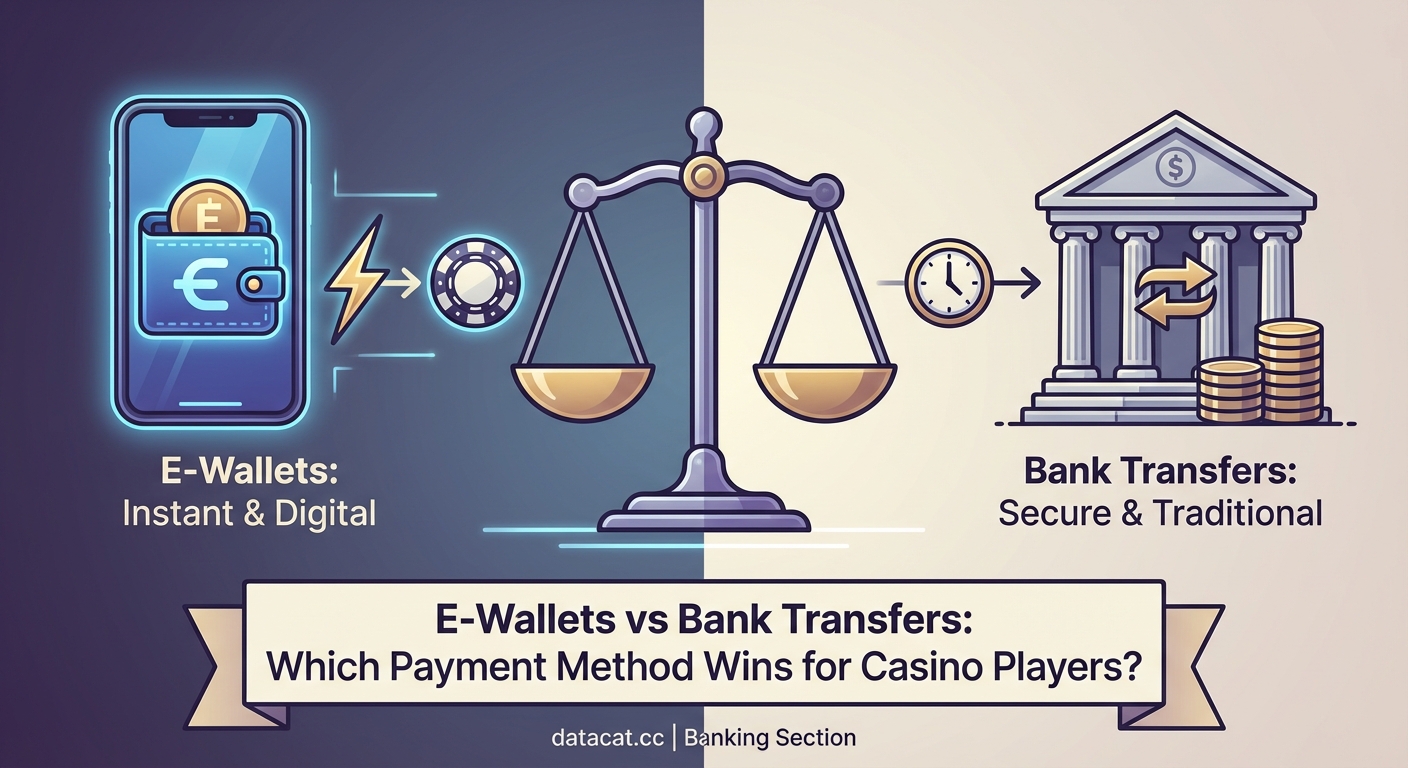
Traditional bank transfers connect your checking or savings account directly to your casino account. No intermediary service sits between you and the casino.
The process varies slightly by region. In Europe, services like Trustly and instant bank transfers have modernized the experience. North American players often use ACH transfers or wire transfers.
Here’s how a typical bank transfer deposit works:
- Select bank transfer as your payment method at the casino cashier
- Choose your bank from the provided list or enter details manually
- Log into your online banking portal through a secure redirect
- Authorize the specific transaction amount
- Return to the casino site where funds appear in your account
Security runs high with bank transfers. Your financial institution handles the authentication, and casinos never see your banking login credentials.
The tradeoff comes in processing speed. Deposits might take 1-3 business days, though instant bank transfer services have reduced this to minutes in many markets. Withdrawals often require 3-7 business days before funds reach your account.
Speed Comparison Across Different Scenarios
Transaction speed affects how you play and when you can access your winnings.
E-wallet deposits happen almost instantly. You click deposit, confirm the transaction, and your casino balance updates within seconds. This lets you jump into games immediately, perfect for players who decide to play on impulse.
Bank transfer deposits depend on the specific service. Instant bank transfers match e-wallet speed. Traditional ACH or wire transfers leave you waiting days. If you want to play tonight but use a standard bank transfer, you’re out of luck until the money clears.
Withdrawal speed matters even more than deposits. Winning a jackpot feels less exciting when you wait a week to access the money.
E-wallets typically process withdrawals within 24 hours after the casino approves your request. Some casinos prioritize e-wallet withdrawals because they cost less to process. Your money sits in your e-wallet ready for use, though moving it to your bank account adds another step.
Bank transfer withdrawals take longer. Expect 3-7 business days minimum. International transfers can stretch to 10 business days. Weekends and holidays extend these timelines further.
For players who value immediate access to funds, e-wallets win decisively. If you’re patient and prefer fewer accounts to manage, bank transfers work fine.
Security Features and Protection Levels
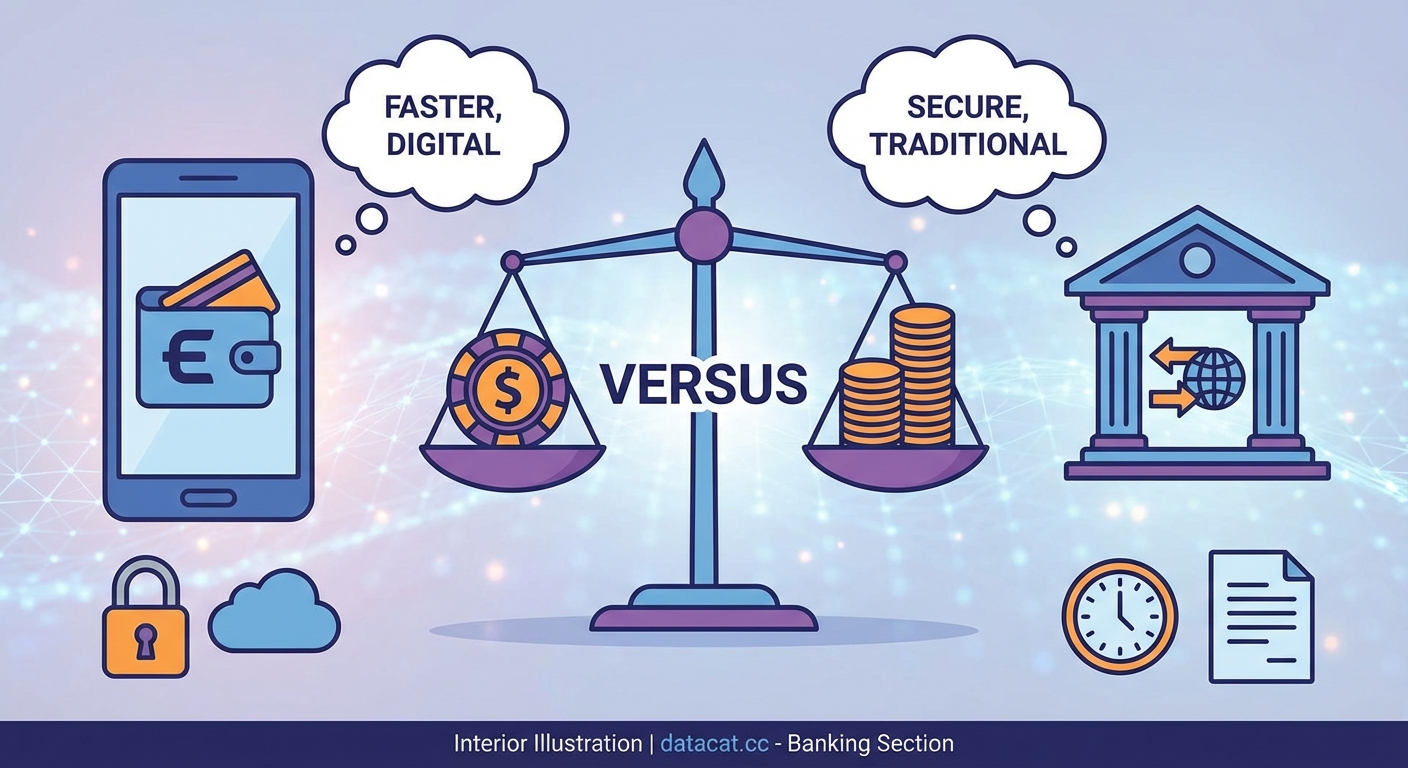
Both payment methods offer strong security, but they protect you differently.
E-wallets use encryption and two-factor authentication as standard practice. Your casino never receives your banking information. If a casino suffers a data breach, your bank details remain safe because they’re stored only with your e-wallet provider.
The downside? You’re trusting another company with your financial data. Reputable e-wallet providers maintain excellent security, but you’ve added another potential vulnerability point to your financial ecosystem.
Bank transfers eliminate the middleman risk. Your bank handles everything, and established financial institutions invest heavily in fraud prevention and cybersecurity. Regulatory oversight typically exceeds what e-wallet companies face.
However, you’re sharing your banking details directly with the casino. Licensed casinos must meet strict data protection standards, but you’re trusting them to safeguard your information properly.
Choose payment methods based on the casino’s reputation and licensing, not just the payment type. A sketchy casino poses risks regardless of whether you use an e-wallet or bank transfer. Always verify licensing before depositing money.
Chargebacks and dispute resolution differ significantly. Credit cards and some e-wallets offer buyer protection that lets you dispute unauthorized transactions. Bank transfers rarely offer this option once you’ve authorized the payment.
Fee Structures and Hidden Costs
Payment fees chip away at your bankroll over time.
E-wallet fees vary by provider and transaction type:
- Deposits to your e-wallet: Often free from bank accounts, 2-3% from credit cards
- Casino deposits from e-wallet: Usually free
- Casino withdrawals to e-wallet: Sometimes free, occasionally $1-5
- E-wallet to bank account: $1-2 for standard transfers
- Currency conversion: 3-4% above market rates
These percentages seem small until you calculate annual costs. A player depositing $500 monthly through credit card to e-wallet pays about $180 yearly in fees just for funding the e-wallet.
Bank transfer fees depend on your bank and the transfer type:
| Transfer Type | Typical Fee | Processing Time |
|---|---|---|
| ACH transfer | Free to $3 | 1-3 business days |
| Wire transfer (domestic) | $15-30 | Same or next day |
| Wire transfer (international) | $35-50 | 3-5 business days |
| Instant bank transfer | Free to $2 | Minutes |
Most modern banks offer free ACH transfers. International players might face higher costs, especially for currency conversion.
Some casinos absorb payment processing costs. Others pass fees to players. Always check the casino’s banking page for their specific fee structure before choosing a payment method.
Transaction Limits and Accessibility
How much you can deposit or withdraw varies dramatically between payment methods.
E-wallets typically impose these limits:
- Daily deposit limits: $1,000-$10,000
- Monthly deposit limits: $10,000-$50,000
- Withdrawal limits: Similar to deposits
- Single transaction maximum: $5,000-$10,000
These limits suit most recreational players perfectly. High rollers find them restrictive.
Bank transfers accommodate larger amounts:
- Daily limits: Often $50,000+
- Monthly limits: $100,000+ or unlimited
- Single transaction: $100,000+ for wire transfers
- Minimum deposits: Sometimes higher ($50-100 vs. $10-20 for e-wallets)
Players who bet big prefer bank transfers because they can move serious money without hitting artificial caps.
Geographic availability creates another consideration. E-wallets operate in many countries but not everywhere. PayPal restricts gambling transactions in certain regions. Skrill and Neteller work at most international casinos but face limitations in the United States.
Bank transfers work almost universally. Every casino accepts some form of bank payment because every player has a bank account. This makes bank transfers the most accessible option globally, even if they’re not the most convenient.
Making Your First Transaction With Each Method
Walking through both processes helps you understand what to expect.
Setting up and using an e-wallet:
- Visit the e-wallet provider’s website and create an account
- Verify your email address and phone number
- Complete identity verification by uploading a photo ID
- Link your bank account or add a credit card as a funding source
- Transfer money into your e-wallet balance
- Go to your casino’s deposit page and select your e-wallet
- Enter the amount and log into your e-wallet to authorize
- Return to the casino with your balance updated
Making a bank transfer deposit:
- Navigate to the casino cashier and select bank transfer
- Choose instant bank transfer if available, or traditional transfer
- Enter the deposit amount
- Select your bank from the list or enter routing details
- Authorize through your banking app or online portal
- Wait for confirmation (instant to several days)
The e-wallet process involves more upfront setup but faster ongoing transactions. Bank transfers require less setup but more patience per transaction.
For withdrawals, e-wallets let you request payment to your e-wallet balance. Bank transfers require you to provide your account details, which the casino verifies before processing.
Many players keep both options active. They use e-wallets for regular play and smaller amounts, switching to bank transfers when moving larger sums or when e-wallet limits become restrictive. This approach combines the strengths of both methods while minimizing weaknesses.
Common Problems and How to Avoid Them
Players encounter predictable issues with both payment methods.
E-wallet challenges:
- Account verification delays that prevent immediate use
- Currency conversion fees that weren’t obvious upfront
- E-wallets not accepted at your preferred casino
- Forgotten passwords or locked accounts from inactivity
- Withdrawal limits that trap larger winnings
Prevent these by reading fee schedules carefully, maintaining the same currency across accounts when possible, and keeping your e-wallet account active with small transactions.
Bank transfer problems:
- Deposits rejected due to gambling restrictions from your bank
- Long processing times that miss time-sensitive bonuses
- International transfer fees that exceed expectations
- Incorrect account details causing failed transactions
- Weekend deposits that don’t process until Monday
Avoid issues by confirming your bank allows gambling transactions, planning deposits well before you want to play, and triple-checking account numbers before submitting transfers.
Some banks flag casino transactions as potential fraud. Call your bank before your first deposit to notify them of upcoming gambling transactions. This simple step prevents embarrassing declined payments.
Casino verification requirements affect both methods. First withdrawals typically require identity verification regardless of payment method. Prepare documents in advance: photo ID, proof of address, and potentially a bank statement or e-wallet screenshot. This speeds up your first withdrawal significantly.
Understanding how fast online casino withdrawals actually process helps set realistic expectations regardless of which payment method you choose.
Which Method Fits Your Playing Style
Your gaming habits should drive your payment choice.
Casual players who deposit $20-100 weekly benefit from e-wallets. The speed and convenience match sporadic play patterns. Small fees matter less when you’re playing for entertainment rather than profit.
Regular players making frequent deposits and withdrawals save money with bank transfers. The fee-free nature of most bank transfers outweighs the inconvenience of slower processing when you’re moving money multiple times monthly.
High rollers need bank transfers for transaction limits alone. Moving $10,000+ per session requires the higher limits that traditional banking provides. The multi-day processing time matters less when you maintain a standing casino balance.
Bonus hunters chasing promotional offers prefer e-wallets. Many casinos process e-wallet deposits faster for bonus crediting purposes. The ability to deposit instantly lets you catch time-limited offers.
Privacy-conscious players appreciate e-wallets for the separation they create between banking and gambling activities. Your bank statement shows a payment to PayPal, not to a casino.
Budget-focused players might prefer bank transfers because the processing delay creates a natural cooling-off period. Impulsive deposits become harder when money takes two days to arrive.
Players concerned about avoiding common betting mistakes often find that slower bank transfers help enforce discipline.
The Hybrid Approach Most Experienced Players Use
You don’t need to choose just one payment method.
Many seasoned players maintain both an e-wallet and use bank transfers strategically. They deposit through e-wallets for regular play, enjoying the speed and convenience. When they hit a significant win, they withdraw via bank transfer directly to their checking account, avoiding e-wallet withdrawal fees.
This hybrid strategy optimizes for both convenience and cost efficiency.
Another common approach: use e-wallets for deposits to grab instant bonus crediting, then withdraw through bank transfer to minimize fees. The casino processes your withdrawal request the same speed regardless of method, but bank transfers often carry lower or zero fees compared to e-wallet withdrawals.
Some players keep their e-wallet funded as a dedicated gambling bankroll. This creates psychological separation between gambling money and regular finances. When the e-wallet runs empty, they stop playing until next month’s entertainment budget arrives.
The best payment strategy aligns with your financial habits and playing frequency. Experiment with both methods across a few months. Track your total fees, processing times, and convenience factors. The right choice becomes obvious once you’ve experienced both in real conditions.
Players who understand how to maximize casino bonuses effectively know that payment method choice can affect bonus eligibility and clearing requirements.
Alternative Payment Methods Worth Considering
E-wallets and bank transfers dominate, but other options exist.
Cryptocurrency payments offer speed matching e-wallets with privacy exceeding both traditional methods. Bitcoin, Ethereum, and other crypto deposits process within minutes and withdraw almost as fast. Fees run low, and transaction limits sit high. The learning curve and price volatility deter many players, but crypto-friendly casinos are growing rapidly.
Prepaid cards like Paysafecard let you deposit without sharing any banking information. You buy a card with cash, then use the code to fund your casino account. Perfect for privacy, but withdrawals require a different method since prepaid cards only work one direction.
Credit and debit cards remain popular despite higher fees and slower processing than e-wallets. Familiarity drives adoption. Most players already have cards and understand how they work.
Mobile payment services like Apple Pay and Google Pay are gaining ground. They combine e-wallet convenience with the security of your phone’s biometric authentication.
Each alternative has specific use cases. Crypto suits tech-savvy players who already own digital currencies. Prepaid cards work for players without bank accounts or those wanting complete anonymity. Cards serve players who prefer traditional payment methods they’ve used for years.
The payment landscape keeps evolving. What works best today might change as new services launch and existing ones improve their offerings.
Finding the Right Balance Between Speed and Security
Both payment methods deliver solid security when used properly. The speed difference matters more for most players.
E-wallets win on convenience and transaction speed. You get your money faster both ways. The tradeoff comes in fees and the need to manage another financial account.
Bank transfers win on simplicity and cost. Fewer fees and fewer accounts to maintain. The tradeoff is patience, waiting days instead of minutes for money to move.
Your personal priorities determine the winner. Players who value time over money choose e-wallets. Players who value simplicity and lower costs choose bank transfers.
Test both methods with small amounts before committing to either as your primary payment channel. The real-world experience of depositing, playing, and withdrawing teaches you more than any comparison article can.
Most importantly, always verify that your chosen casino maintains proper licensing and security standards. The payment method matters far less than the casino’s legitimacy. Even the most secure payment method can’t protect you from an unlicensed or fraudulent casino operator. Check licensing information before creating an account, and read reviews from other players about their withdrawal experiences.
The right payment method makes your casino experience smoother and more enjoyable. Choose based on your actual needs rather than what seems most popular or modern.