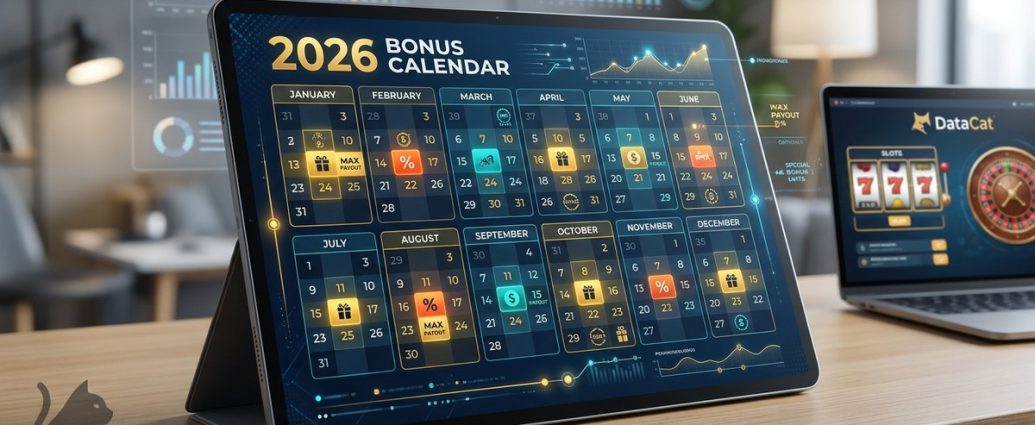
If you carry a wallet full of credit cards that offer rotating bonus categories, you already know the feeling. You log into your account in January and see that gas stations are paying 5% back. By April, that category has switched to grocery stores. If you time your spending wrong, you leave real money on the table. The difference between a casual user and a rewards maximizer is knowing exactly when each quarter starts, what categories are coming, and how to stack those bonuses with other offers. That is exactly what this 2026 bonus calendar is built to do.
The 2026 bonus calendar reveals that Q1 and Q4 offer the highest average cash-back ceilings, with gas and grocery categories leading the way. Align your major purchases with these windows, activate each quarter on day one, and never let a single bonus dollar expire. A simple calendar sync saves you hundreds per year.
Why Your Bonus Calendar Deserves a Second Look
Most cardholders treat bonus categories like a surprise gift. They get an email, shrug, and maybe change their default card for a few weeks. That approach costs you. In 2026, the major issuers including Discover, Chase Freedom, and US Bank are sticking with the quarterly model, but the dates are not always obvious. Some quarters start on the first of the month. Others begin on a specific Saturday. Missing a two-week activation window can lock you out of an entire quarter’s bonus.
Rewards maximizers treat the calendar like a game plan. They know that Q1 typically covers groceries and streaming services. Q2 often shifts to home improvement and dining. Q3 hits Amazon and PayPal. Q4 brings the heavy hitters: Amazon, Walmart, and department stores. If you are planning a big purchase like a new laptop or holiday travel, you want that spending to land inside the right quarter.
The Full 2026 Quarterly Breakdown
Here is how the most popular cash-back calendars line up for 2026. These dates reflect the standard activation windows for Discover it and Chase Freedom Flex, which set the pace for the industry.
Q1: January 1 through March 31
Groceries, gas stations, and select streaming services lead this quarter. Discover typically offers 5% back on grocery stores and gas stations, while Chase Freedom covers grocery stores and fitness clubs. If you buy a gym membership in January, this is your window.
Q2: April 1 through June 30
Home improvement stores like Lowe’s and Home Depot appear here, along with restaurants and select travel categories. This is the quarter to schedule your spring renovation projects. Even a small paint job can earn you an extra $30 in cash back.
Q3: July 1 through September 30
Amazon.com and PayPal are the stars of Q3. If you do most of your shopping on Amazon, this quarter is your highest earner. Stack it with Amazon gift cards purchased at a discount for even more savings.
Q4: October 1 through December 31
The holiday quarter covers Amazon, Walmart, Target, and department stores. This is the biggest payout window of the year. If you time your Black Friday spending here, you can earn 5% back on thousands of dollars in gifts.
How to Activate and Track Your Bonuses
Activation is not automatic. You must log into your account or use the issuer’s app to turn on the bonus for each quarter. Here is a simple process to make sure you never miss a window.
- Set a recurring reminder on your phone for the last week of the previous quarter. For Q1, that is the last week of December 2025. For Q2, the last week of March.
- Log into each card account and navigate to the bonus activation page. Most issuers let you activate all quarters at once if you do it early.
- Take a screenshot of the confirmation screen. Save it in a folder labeled “2026 bonuses.”
- Update your default card in your digital wallet. If Q1 covers gas, set your Discover card as the default for gas stations.
- Review your spending plan for the quarter. If you know you will buy a new refrigerator in April, hold off until Q2 if home improvement is the category.
- Check for stacking opportunities. Some cards let you combine a quarterly bonus with a store-specific offer from the same issuer.
Common Mistakes That Drain Your Bonus Potential
Even experienced players slip up. The table below shows the most frequent errors and how to avoid them.
| Mistake | Why It Hurts | How to Fix It |
|---|---|---|
| Activating late | You miss the first two weeks of bonus spending | Activate on the first day of the quarter |
| Using the wrong card | You earn 1% instead of 5% | Set a default card per category in your wallet app |
| Forgetting the spending cap | Most 5% categories cap at $1,500 in spending per quarter | Track your spending against the cap in a spreadsheet |
| Ignoring the fine print | Some categories exclude warehouse clubs or convenience stores | Read the full list of eligible merchants before you shop |
| Not stacking with offers | You leave 5 to 10% on the table | Check your card’s app for additional store-specific offers |
Expert advice: “The single biggest mistake I see is people assuming their bonus is active. Always verify in the app before you check out. A five-second glance at your rewards dashboard can save you from earning 1% when you expected 5%.”
Stacking Bonuses for Maximum Payout
A single 5% category is good. Stacking that with a store-specific offer or a sign-up bonus is great. In 2026, the most effective strategy is layering. Here is how it works.
Imagine you have a Chase Freedom Flex card that offers 5% back on Amazon in Q3. You also have a Chase Sapphire Preferred card that gives you an extra 1.5 points per dollar when you redeem for travel. If you buy $500 on Amazon during Q3, you earn $25 in cash back from the quarterly bonus. Then you transfer those points to a travel partner and get a 25% boost. That $25 becomes $31.25 in travel value.
The same logic applies to gift cards. If Q1 covers grocery stores, buy a $500 gift card to your favorite restaurant at the grocery store. You earn 5% back on the gift card purchase, then use the gift card later at the restaurant. That is free money.
When to Skip a Quarter
Not every quarter is worth your attention. If the bonus category does not match your regular spending, do not force it. Buying something you do not need just to earn 5% back is a net loss. For example, if Q2 covers home improvement and you rent an apartment with no projects, skip that quarter. Put your spending on a flat-rate 2% card instead.
The same goes for spending caps. Most quarterly bonuses cap at $1,500 in purchases per quarter. That means the maximum bonus is $75. If you would hit that cap in the first two weeks, switch to another card for the rest of the quarter. Do not keep spending in the bonus category after you hit the cap. You will earn only 1% on the rest.
The Hidden Calendar: Store-Specific and Limited-Time Offers
Beyond the standard quarterly categories, 2026 brings a wave of limited-time offers. These pop up for a week or a month and can be worth more than the quarterly bonus. For example, Discover sometimes runs a 10% back offer on select retailers for a single weekend. Chase often adds a 5% back offer on PayPal for the month of December.
To catch these, check your card’s app every Sunday. Set a weekly reminder. Most offers disappear if you do not add them to your card first. Adding an offer takes ten seconds. Forgetting to add it costs you the full bonus.
Tools and Apps That Keep You on Track
You do not need to memorize every date. A few free tools can do the work for you.
- Google Calendar: Create a recurring event for the last day of each quarter. Label it “Activate bonuses for next quarter.” Set two notifications: one week before and one day before.
- AwardWallet: This app tracks bonus categories across all major issuers. It sends you a push notification when a new quarter starts.
- Your card’s mobile app: Most issuers show your current bonus category on the home screen. Make it a habit to glance at that screen before you pay.
If you prefer a low-tech method, write the quarterly dates on a sticky note and put it on your desk. The key is consistency, not complexity.
Planning Your Big Purchases Around the Calendar
Large expenses like appliances, electronics, or vacation packages should never happen randomly. If you know you need a new laptop, wait until Q3 if Amazon is the category. If you are planning a wedding or a home renovation, look at the Q2 calendar first. A single $2,000 purchase earning 5% back gives you $100. That is a free dinner out.
The same logic applies to gift card reloads. If you use a specific service like Uber or DoorDash regularly, buy their gift cards during a quarter where grocery stores earn 5% back. Many grocery stores sell third-party gift cards, and those purchases often count toward the grocery category. Check your card’s terms first, but this is a legitimate way to front-load your spending.
Making the 2026 Bonus Calendar Work for You
The difference between a casual earner and a serious rewards maximizer is not luck. It is preparation. The 2026 bonus calendar gives you a clear map. You know exactly when each quarter starts, what categories are active, and how to stack those bonuses with other offers. All you have to do is follow the plan.
Set your reminders today. Activate each quarter on day one. Track your spending against the cap. And never let a bonus dollar slip through your fingers. If you do that, you will end 2026 with hundreds of dollars in extra cash back that you earned simply by paying attention.
For more ways to stretch your bankroll and make every dollar work harder, check out our guide on how to build a casino bankroll management system that actually works. The same discipline that keeps your spending on track will keep your rewards growing all year long.