
Linking your bank account directly to an online casino feels risky. You’re handing over access to your entire financial life just to play a few hands of blackjack or spin some slots. Prepaid cards solve this problem by creating a buffer between your main accounts and gambling sites, giving you both privacy and ironclad budget control.
Prepaid cards let you deposit at online casinos without exposing your bank account or credit card details. You load a specific amount onto the card, which creates a natural spending limit and keeps your gambling transactions separate from your main finances. Popular options include Visa and Mastercard prepaid cards, though acceptance varies by casino and some charge reload fees.
Why prepaid cards work better than traditional payment methods
Traditional credit cards link directly to your credit line. Banks can see every transaction. Your credit score might take a hit if you carry a balance from gambling deposits.
Debit cards connect straight to your checking account. One compromised transaction could expose your entire balance. Plus, many banks flag gambling transactions and freeze accounts without warning.
Prepaid cards sidestep both problems. You load money onto the card first, then use it like any other card. The casino sees the card network (Visa or Mastercard), not your personal banking details.
Your bank statements stay clean. No gambling merchant codes. No questions from financial institutions about your spending habits.
Budget control becomes automatic. Load $200 onto a prepaid card, and that’s your gambling budget for the month. No temptation to chase losses by dipping into your checking account at 2 AM.
How prepaid cards protect your privacy at online casinos
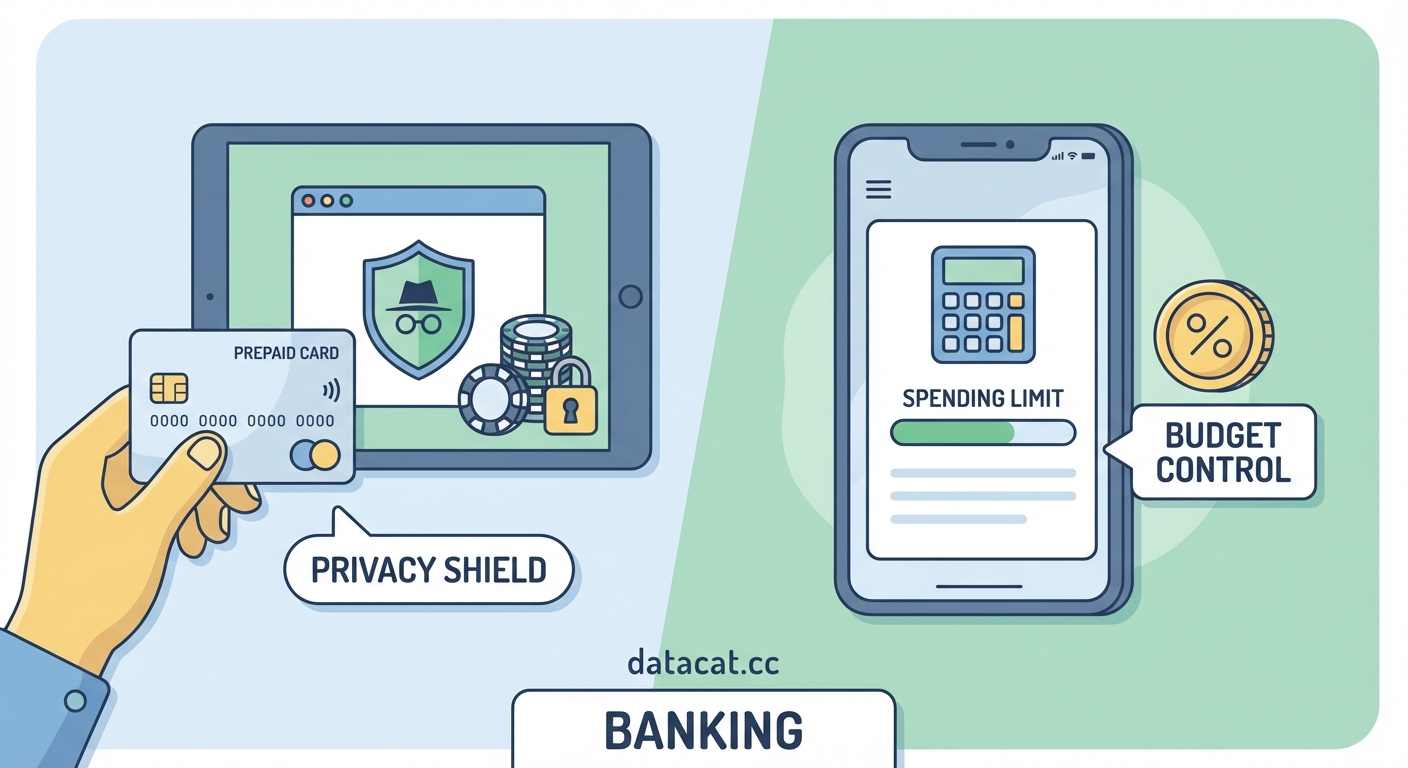
Online casinos collect payment information during signup. With a prepaid card, they get the card number but no connection to your actual bank accounts.
Most prepaid cards don’t require extensive personal information to purchase. You can buy many at retail stores with just cash. Some online options need basic details, but far less than opening a bank account.
Transaction history stays contained. Your main bank never sees “Online Casino XYZ” on your statement. The prepaid card company might track purchases, but that data doesn’t flow back to your primary financial institution.
If a casino suffers a data breach, hackers get your prepaid card details. Not ideal, but the damage stops there. They can’t access your savings, mortgage payment, or paycheck.
Some players use cryptocurrency casinos for even more anonymity, but prepaid cards offer a middle ground between total privacy and mainstream convenience.
Step-by-step process for using prepaid cards at online casinos
Getting started with prepaid cards for gambling takes just a few simple actions.
- Purchase a prepaid card from a retailer or online provider that allows gambling transactions (not all do).
- Activate the card following the instructions on the packaging or website.
- Load funds onto the card using cash, bank transfer, or another funding method.
- Create an account at your chosen online casino and navigate to the deposit section.
- Select credit card or debit card as your payment method (prepaid cards use the same processing).
- Enter your prepaid card details exactly as they appear on the card.
- Confirm the deposit amount and complete the transaction.
- Wait for the funds to appear in your casino account, usually within minutes.
The casino processes your prepaid card like any Visa or Mastercard. The backend technology doesn’t distinguish between prepaid and traditional cards in most cases.
Top prepaid card options for online gambling
Not every prepaid card works at online casinos. Some issuers specifically block gambling merchants. Others work perfectly but charge annoying fees.
Netspend Visa Prepaid Card accepts gambling transactions at most online casinos. You can reload at retail locations or through direct deposit. Monthly fees apply unless you meet certain usage requirements.
Green Dot Prepaid Cards work at many gambling sites, though acceptance isn’t universal. The reload network spans thousands of retail locations. Watch out for activation fees and monthly maintenance charges.
Vanilla Visa Gift Cards function at some casinos but not others. These work best for one-time deposits since you can’t reload them. Purchase amounts range from $25 to $500.
Play+ Cards exist specifically for online gambling. Several major casino sites issue their own branded prepaid cards. These offer the smoothest deposits but lock you into using specific casino platforms.
Acceptance rates vary wildly. A card that works perfectly at one casino might get rejected at another. Always test with a small deposit first.
Comparing fees across different prepaid card types
| Card Type | Activation Fee | Monthly Fee | Reload Fee | ATM Withdrawal |
|---|---|---|---|---|
| Netspend Visa | $0-$5 | $9.95* | $0-$3.95 | $2.50 |
| Green Dot | $0-$9.95 | $7.95* | $0-$5.95 | $3.00 |
| Vanilla Gift | $3.95-$6.95 | $0 | N/A | Not available |
| Play+ Casino | $0 | $0 | $0 | $0-$2.50 |
*Monthly fees often waived with minimum deposit or usage requirements.
Fee structures punish inactive users. If you load a card and let it sit for months, you’ll watch your balance shrink from monthly charges.
Reload fees add up fast if you’re a frequent player. Depositing $100 every week with a $3.95 reload fee costs you over $200 annually just in transaction charges.
ATM fees matter when you want to cash out winnings. Some casinos let you withdraw directly to prepaid cards, but you’ll pay to convert that balance to cash at an ATM.
Common acceptance issues and how to solve them
Your prepaid card gets declined. Frustrating, but usually fixable.
Wrong billing address: Prepaid cards often come with a default ZIP code. Register your card online and update the billing address to match what you enter at the casino.
Insufficient funds: Casinos might pre-authorize slightly more than your deposit amount. A $50 deposit could trigger a $52 authorization. Keep a small buffer on your card balance.
Gambling blocks: Some prepaid card issuers block gambling merchants entirely. Check the terms before buying. If blocked, try a different card brand.
International restrictions: Your US-based prepaid card might not work at internationally licensed casinos. Some cards only process domestic transactions.
Card not registered: Many prepaid cards require online registration before working for online purchases. This takes five minutes but trips up new users constantly.
Call the customer service number on your card if deposits keep failing. They can tell you exactly why transactions are declining.
Withdrawal limitations you need to know about
Deposits work smoothly with prepaid cards. Withdrawals get complicated.
Most online casinos won’t send winnings back to prepaid cards. The card networks treat prepaid cards differently than credit or debit cards for refund purposes.
You’ll need an alternative withdrawal method. Bank transfers, checks, or e-wallets become necessary for cashing out. This creates a one-way street where prepaid cards only handle deposits.
Some casino-specific prepaid cards (like Play+) do accept withdrawals. The funds land back on your card, and you can spend them elsewhere or withdraw cash at ATMs.
Withdrawal speeds vary dramatically by payment method. Plan ahead so you’re not stuck waiting days for your money.
This withdrawal limitation means prepaid cards work best as a deposit-only solution. Pair them with another method for getting your winnings out.
Budget control strategies using prepaid cards
Prepaid cards force discipline through hard limits. You can’t spend money that isn’t loaded on the card.
Set a monthly gambling budget, then load that exact amount onto your prepaid card. When the balance hits zero, you’re done until next month. No exceptions.
Use separate cards for different casino sites. This tracks spending per platform and prevents one bad session from draining your entire gambling budget across all sites.
Reload on a schedule, not on impulse. Decide you’ll add funds every Friday, not whenever you feel like playing. This cooling-off period prevents emotional reloading after losses.
Never link your prepaid card to your bank account for automatic reloads. Manual reloading adds friction that gives you time to reconsider chasing losses.
Some players treat prepaid cards like casino chips. Load $300, and that represents your entertainment budget. When it’s gone, the entertainment ends, just like leaving a physical casino with empty pockets.
Avoiding common betting mistakes becomes easier when your payment method enforces limits automatically.
Security advantages over other payment methods
Prepaid cards create a security barrier that credit cards and bank accounts can’t match.
Limited exposure: A stolen prepaid card number gives thieves access to maybe $500. A stolen debit card number could drain thousands.
No overdrafts: You can’t spend more than the card balance. Fraudulent charges stop automatically when funds run out.
Easy replacement: Lost your prepaid card? The financial damage is limited to the remaining balance. Your main bank accounts stay untouched.
Disposable numbers: Some prepaid card providers offer virtual card numbers for online purchases. Use a different number for each casino, and if one gets compromised, the others remain safe.
No credit impact: Prepaid cards don’t affect your credit score. Fraudulent charges won’t tank your credit rating or require disputes with credit bureaus.
Before signing up at any online casino, check their security credentials. Even with prepaid card protection, you want to play at legitimate sites.
Tax reporting and record keeping
Gambling winnings are taxable income. Prepaid cards complicate record keeping slightly.
Casinos report winnings over certain thresholds to the IRS. Your payment method doesn’t change this requirement. Win $1,200 on slots, and you’re getting a W-2G form regardless of how you deposited.
Keep your prepaid card statements. These show your total deposits, which you can deduct from winnings when calculating taxable income. You can’t deduct more than you won, but you can offset wins with losses.
Some prepaid cards don’t provide detailed transaction histories. Screenshot or download statements monthly before they disappear from online portals.
Track deposits separately in a spreadsheet. Note the date, amount, and which casino received the funds. This backup documentation helps if card statements are incomplete.
Cash purchases of prepaid cards leave no paper trail. For tax purposes, this doesn’t matter much since you’re tracking total deposits anyway. But organized records make tax season less painful.
Mistakes to avoid with prepaid gambling cards
| Mistake | Why It Hurts | Better Approach |
|---|---|---|
| Buying non-reloadable cards for regular play | Constant activation fees add up | Use reloadable cards for ongoing gambling |
| Ignoring monthly maintenance fees | $10/month eats 10% of a $100 balance | Choose cards with fee waivers or no monthly charges |
| Loading more than you can afford to lose | Defeats the budget control purpose | Stick to predetermined gambling budgets |
| Using prepaid cards for withdrawals | Most casinos reject these transactions | Set up alternative withdrawal methods upfront |
| Forgetting to register cards online | Causes declined transactions | Register immediately after purchase |
The biggest mistake is treating prepaid cards as a workaround for gambling more than you should. They’re budget tools, not budget expanders.
Don’t buy prepaid cards with credit cards. You’ll pay cash advance fees and interest, turning a budgeting tool into a debt trap.
Avoid storing large balances on prepaid cards long-term. These aren’t savings accounts. They lack FDIC insurance and charge inactivity fees.
Combining prepaid cards with other casino strategies
Prepaid cards work best as part of a broader gambling approach.
Pair them with welcome bonus strategies to stretch your initial deposits further. Load enough to claim the full bonus match, then use the extra funds to extend your playing time.
Use prepaid cards for higher-risk games and bank transfers for low-risk play. This separates your experimental gambling from your regular play budget.
Choose games that match your playing style, then fund those sessions with appropriately sized prepaid card loads. Slot players might load $100 for a weekend session, while table game players might need $500 for proper bankroll management.
Track your results by prepaid card. If you load $200 monthly and consistently withdraw $150, you know your average monthly loss is $50. This data helps refine your strategy and budget.
Some players use prepaid cards exclusively for trying new casino games with small deposits. Once they find games they enjoy, they might switch to other payment methods for regular play.
Alternative payment methods worth considering
Prepaid cards aren’t the only privacy-focused payment option.
E-wallets like PayPal, Skrill, and Neteller create similar separation between your bank and casinos. They often process withdrawals faster than prepaid cards allow. Fees vary by service.
Cryptocurrency offers maximum privacy but comes with price volatility and a learning curve. Bitcoin deposits mean your $100 might be worth $95 or $105 by the time you play.
Bank transfers provide no privacy but work reliably for large deposits. Processing takes longer, usually 3-5 business days.
Casino-branded prepaid cards like Play+ combine the benefits of prepaid cards with faster withdrawals. The tradeoff is being locked into specific casino platforms.
Gift cards work for one-time deposits but can’t be reloaded. They’re perfect for trying a new casino without commitment.
Each method has tradeoffs between privacy, convenience, fees, and withdrawal speeds. Many experienced players use multiple methods depending on the situation.
Finding the right prepaid card for your gambling habits
Your ideal prepaid card depends on how often you play and how much you deposit.
Casual players (1-2 times per month) should prioritize low or no monthly fees. Reloadable cards with fee waivers for minimum usage work well. Even non-reloadable gift cards make sense if you’re just testing a new casino.
Regular players (weekly sessions) need cards with cheap or free reload options. Monthly fees matter less if you’re actively using the card. Look for reload networks near your home or work.
High-volume players (daily or near-daily) might benefit from casino-specific prepaid cards that eliminate fees entirely. The platform restriction becomes worthwhile when you’re saving $20-30 monthly in fees.
Privacy-focused players should consider cash-purchased, non-registered prepaid cards for maximum anonymity. Accept that you’ll pay higher fees for this privacy.
Budget-conscious players need cards with the lowest total fee structure. Calculate activation plus monthly plus reload fees over a year to find the true cost.
Test multiple cards if you’re unsure. Buy one of each type with a small amount, try depositing at your preferred casino, and see which offers the smoothest experience.
“The best prepaid card is the one you’ll actually use consistently for budget control. A card with slightly higher fees that you reload on schedule beats a cheaper card that you abandon after one use.”
Making prepaid cards work for your gambling budget
Prepaid cards give you control that other payment methods can’t match. They separate your gambling funds from your daily finances, create automatic spending limits, and protect your privacy.
The key is treating them as budget tools, not just payment methods. Load what you can afford to lose. Reload on a schedule, not on impulse. Track your spending patterns over time.
Fees matter, but not as much as the discipline these cards enforce. Paying $10 monthly to prevent a $500 loss from chasing bad beats is a bargain.
Start small. Load $50 onto a prepaid card this week and use it for your next casino session. See how it feels to have a hard limit. Notice whether you play differently knowing the money runs out at a specific point.
Your gambling should be entertainment, not financial stress. Prepaid cards help keep it that way.