You walk into a casino floor in 2026, and the energy is unmistakable. Someone at a Megaways slot just hit a bonus round three times in a row. Across the aisle, a blackjack player is on their sixth consecutive win. The crowd murmurs about a “hot” machine, a “lucky” table. But what does that actually mean? Is there a mathematical force behind these streaks, or is it all just noise? For the data-savvy player, the answer is a mix of probability theory, game volatility, and a healthy dose of human pattern recognition. Let’s break down what makes a casino game feel hot in 2026, and how you can use that knowledge to make smarter decisions.
A hot streak is rarely a sign that a game has changed its behavior. Instead, it is a statistical cluster caused by high volatility in games with low hit frequency. By understanding variance, standard deviation, and the difference between RNG and live dealer games, you can spot when a streak is meaningful and when it is just luck. The smartest play in 2026 is to track your own data and adjust your bets accordingly.
The Real Engine Behind a Hot Streak
Every spin, shuffle, and deal in a modern casino game is governed by a Random Number Generator (RNG) or a physical process like a roulette wheel. These systems have no memory. A slot machine does not know it paid out a jackpot ten spins ago. A blackjack shoe does not track your wins. So why do streaks happen?
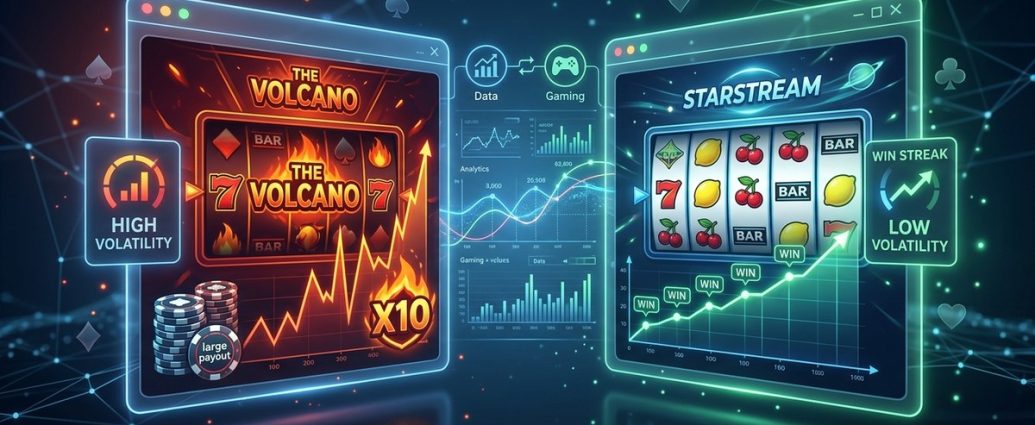
The answer lives in a concept called variance. High variance games produce wild swings in results over short periods. A low volatility game, like baccarat, has a small spread of possible outcomes. A high volatility game, like a 117,649 way Megaways slot, can produce huge wins or long dry spells. When you combine high volatility with a low frequency of winning events, you get the perfect breeding ground for a perceived hot streak.
- High volatility games: Megaways slots, progressive jackpot slots, craps.
- Medium volatility games: Blackjack, video poker, live dealer roulette.
- Low volatility games: Baccarat, Pai Gow Poker, European roulette (single zero).
Your brain is wired to see patterns. When you hit three wins in a row on a high volatility slot, your brain screams “this machine is hot.” But the math says you just experienced a cluster. The same RNG that gave you three wins could just as easily give you thirty losses.
How to Analyze Volatility in Casino Games
To move from gut feeling to data, you need to measure volatility. The most common tool for this is standard deviation. In simple terms, standard deviation tells you how far results tend to stray from the average. A game with a high standard deviation will have more extreme sessions. A game with a low standard deviation will hug the expected return.
Here is a practical process to analyze any casino game in 2026:
- Find the game’s return to player (RTP) and hit frequency. Most online casinos publish RTP for slots. For table games, the house edge is known. Write these down.
- Calculate the standard deviation for a single round. For slots, use the paytable. For blackjack, use a basic strategy chart. This tells you how much one spin or hand can vary.
- Simulate a session of 100 rounds. Use a spreadsheet or a free online simulator. Run it ten times. Look at the range of results. You will see clusters of wins and losses.
- Compare your real session data to the simulation. Track every spin or hand in a session. Compare the pattern to your simulated runs. If your run is within one standard deviation, you are seeing normal variance.
This process is the foundation of any serious approach to how to calculate true slot RTP using your own session data. It turns a noisy experience into a measurable one.
Win Streaks vs. Hot Games: A Critical Distinction
Many players confuse a personal win streak with a game being “hot.” They are not the same thing. A win streak is a sequence of positive outcomes for you. A hot game would imply the game itself has shifted its underlying probabilities. That almost never happens in regulated online casinos.
| Concept | Definition | Cause | Can you exploit it? |
|---|---|---|---|
| Win Streak | A cluster of winning outcomes in your session | Normal variance in a high volatility game | No, but you can adjust bet sizing to ride the variance |
| Hot Game | A machine or table paying out above its expected RTP | Statistical anomaly or mechanical issue (rare) | Only if you can verify it with a large sample size |
| Cold Game | A machine or table paying out below its expected RTP | Normal variance or a game with a high house edge | No, but it signals you should switch games or tables |
| Player Confidence | Your belief that you are “due” for a win | Cognitive bias (gambler’s fallacy) | Never. The game has no memory. |
The table above highlights a common mistake. Players often think a cold game is “due” to pay out. That is the gambler’s fallacy. Each spin or hand is independent. If you want to understand the deeper math, read about 7 slot volatility mistakes that are costing you money.
Why Some Games Feel Hotter in 2026
The casino landscape in 2026 has shifted. Megaways slots, which offer thousands of ways to win per spin, dominate the floor. These games have extremely high volatility. You can go fifty spins with almost nothing, then hit a bonus round that pays fifty times your bet. That volatility creates the illusion of hot and cold streaks more than any other format.
Live dealer games, on the other hand, offer a different experience. A live dealer blackjack game uses a physical shoe of cards. The randomness is still present, but the pace is slower. You have time to count cards or track the shoe. This changes the volatility profile. For a deeper comparison, check out live dealer games vs RNG games: what’s actually better?
Another factor in 2026 is the rise of progressive jackpot slots. These games pool a portion of every bet into a growing prize. The volatility is extreme because the jackpot can hit at any time. Players who see a jackpot hit on another machine often feel that machine is “hot.” But the RNG does not care about the jackpot size.
“The biggest mistake I see players make is assuming a machine that just paid a jackpot is cold. In reality, the RNG has no memory. That machine is just as likely to pay another jackpot on the next spin as it was before. The math does not change.” – DataCat analytics team, 2026.
Building a Bankroll Strategy Around Volatility
If you cannot predict a hot streak, what can you do? You can prepare for the variance. A smart bankroll strategy accounts for the volatility of the game you choose. Here is a practical method.
- For high volatility games (Megaways slots, progressive jackpots): Use a smaller bet size relative to your total bankroll. Plan for long dry spells. Set a loss limit for the session. If you hit a win cluster, consider taking profits off the table.
- For medium volatility games (blackjack, video poker): Use a flat bet size with occasional increases when the count is favorable (in blackjack) or when you have a statistical edge.
- For low volatility games (baccarat, Pai Gow): You can use a larger bet size because the variance is lower. Your bankroll will deplete slowly, but you will also win slowly.
This approach aligns with how to build a casino bankroll management system that actually works. It turns you from a passive player into an active manager of risk.
The Psychology of the Streak
Even with all the data, your brain will still try to convince you that a streak is real. This is not a weakness. It is how humans evolved. Pattern recognition kept our ancestors alive. But in a casino, it works against you.
Three psychological traps to watch for:
- The confirmation bias. You remember the wins on a hot streak and forget the losses that followed. Keep a written log of every spin or hand. The data will correct your memory.
- The gambler’s fallacy. You believe a loss streak means a win is due. It does not. Each event is independent.
- The hot hand fallacy. You believe a winning streak means you are playing better. In slots and roulette, skill does not apply. In blackjack, it might, but only if you are using basic strategy and card counting.
If you want to test your own biases, try playing a session of 10 underrated casino games that deserve more attention. These games often have lower volatility, which makes streaks less dramatic and easier to analyze.
Putting It All Together for 2026
The concept of a “hot” casino game in 2026 is not a myth. It is a statistical reality of variance. High volatility games will produce clusters of wins and losses. The key is to recognize these clusters for what they are: normal fluctuations in a random system. Your job as a data-savvy player is to measure the volatility, set your bet sizes accordingly, and keep your emotions in check.
Do not chase a hot machine. Do not run from a cold one. Instead, track your data, understand the standard deviation of the game you play, and adjust your session plan. That is the only edge that exists in a game of pure chance.
The Smart Player’s Path Forward
You now have the tools to see through the noise. The next time you see someone celebrating a hot streak, you will know the math behind it. The next time you hit a cold spell, you will know it is just variance. Use that knowledge to play longer, smarter, and with more control.
Start by picking one game you enjoy. Track the next 200 rounds. Use the process above to calculate the standard deviation. See if your streaks fall within the expected range. Then apply that same analysis to every game you play. Over time, you will build a mental model of volatility that no casino can take from you.
For a broader view of which games give you the best shot, read which casino games have the best odds? a statistical breakdown. And if you are new to the floor, start with 7 casino games every beginner should master first. The numbers are on your side when you understand them.